

Teeth Bonding in Martensville & North Central Saskatchewan
Improve the appearance of chipped, cracked, stained, or uneven teeth with cosmetic dental bonding at Martensville Dental Clinic. Our dentists use tooth-coloured composite resin to restore minor imperfections while preserving as much of your natural tooth structure as possible.
Patients from Martensville, Langham, Dalmeny, Warman, Aberdeen, North Saskatoon, Radisson, and surrounding areas trust our team for professional, gentle care.
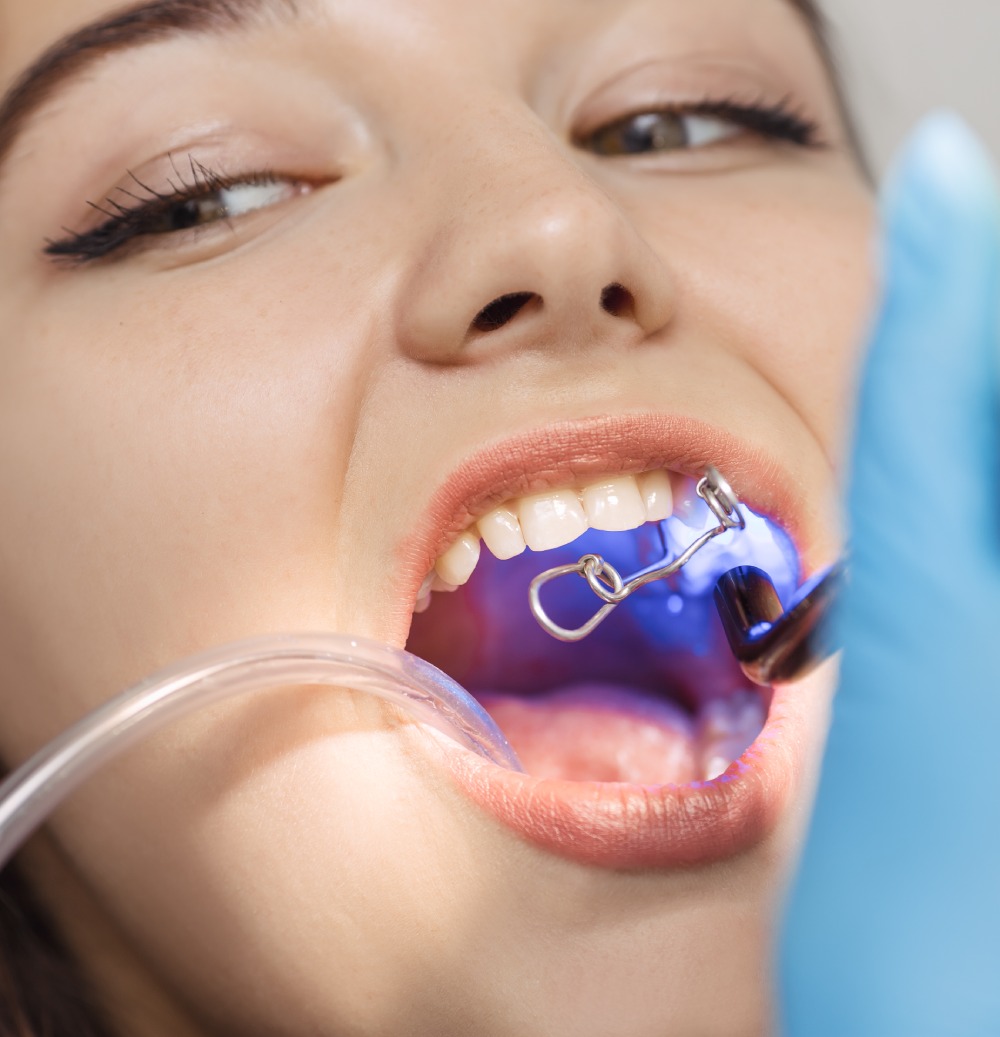
What Is Teeth Bonding?
Cosmetic dental bonding restores the appearance of individual teeth using a durable tooth-coloured material. The material is carefully applied to the tooth surface and blended to match the colour and contours of your surrounding teeth.
Dental bonding can be used to close small gaps, improve tooth contours, and restore minor areas of damage. Our dentists provide personalised assessments to determine whether bonding is the most suitable treatment for your smile goals and oral health.
Depending on your smile goals and oral health, your dentist may also discuss treatments such as porcelain veneers to help you achieve the desired result.
Why Choose Cosmetic Dental Bonding?
We generally recommend dental bonding for patients looking for a simple way to refresh their smile without extensive treatment. It can:
- Repair chipped, cracked, or worn teeth to restore balance and function.
- Close small gaps between teeth for a smoother, more aligned appearance.
- Cover visible stains or discolouration with a naturally bright finish.
- Improve the overall harmony and evenness of your smile.
- Be completed in a single appointment, with minimal alteration to your tooth surface.
Our experienced team provides aesthetic bonding teeth in Martensville using materials carefully selected to complement your natural enamel. During your consultation, we’ll explain your options and answer your questions, so you can move forward confidently.
Our Teeth Bonding Process at Martensville Dental Clinic

Every tooth bonding procedure is carefully planned and carried out using established clinical protocols. We take the time to assess your smile, explain the process, and provide comfortable, personalised care throughout your visit.

Consultation and Smile Assessment
We begin with a consultation to evaluate your teeth, discuss your goals, and determine whether dental bonding is the most appropriate option for you.

Shade Selection & Treatment Planning
We carefully select a composite resin shade that closely matches your natural teeth. Your dentist will explain the planned improvements and outline what you can expect before the treatment begins.

Tooth Preparation
The surface is gently prepared to allow the resin to bond securely with the enamel without aggressive alteration.

Composite Resin Application & Contouring
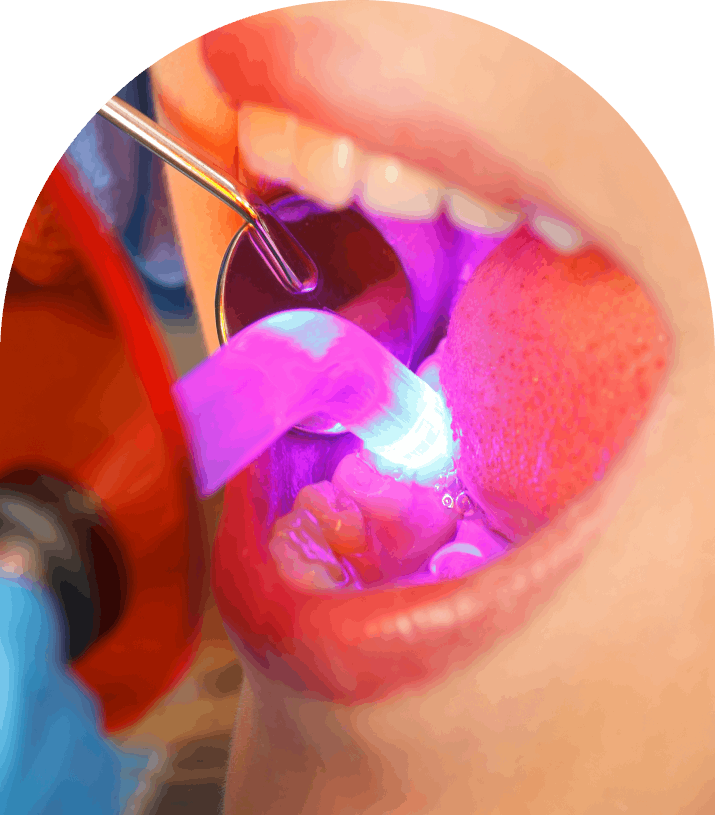
The composite resin is applied directly to the tooth, then carefully sculpted to improve its size, contour, or surface. Once the desired appearance has been achieved, a specialised curing light hardens the material in place.

Final Polishing & Smile Evaluation
The bonded tooth is polished to blend smoothly with your surrounding teeth and create a natural finish. Before your appointment ends, your dentist will check your bite, review the final result with you, and provide guidance on caring for your bonded teeth.
Am I a Candidate for Teeth Bonding?
To find out whether you’re a good candidate for cosmetic dental bonding in Martensville, consider the following:
- Do you have chipped or cracked teeth?
- Would you like to improve minor cosmetic imperfections?
- Are small gaps affecting your confidence?
- Are your teeth slightly uneven or worn?
- Would you prefer a minimally invasive treatment?
If these concerns sound familiar, dental bonding may be a suitable option for you. The best way to find out is to arrange a consultation at Martensville Dental Clinic.

If these concerns sound familiar, dental bonding may be a suitable option for you. The best way to find out is to arrange a consultation at Martensville Dental Clinic.

How Long Does Dental Bonding Last?
With good oral care, dental bonding can last for years. Simple habits such as brushing, flossing, and regular dental visits can help protect the restoration and keep it looking its best.
As with any cosmetic treatment, some maintenance may be needed over time. We’ll monitor your bonding during your check-ups and let you know if any adjustments are required.
Why Choose Martensville Dental Clinic?

Our dental team is committed to providing personalised oral care in a comfortable, professional environment. We follow CDA-backed clinical protocols, use modern technology, and take a conservative approach to create natural-looking smile improvements.
Patients choose us because we:
- Plan every bonding procedure with modern digital technology for greater precision
- Explain your options, the procedure, and expected outcomes clearly
- Provide care in a calm, respectful, and welcoming environment
- Maintain high standards of safety and clinical excellence at every stage
We welcome patients from Martensville, Langham, Dalmeny, Warman, Aberdeen, North Saskatoon, Radisson, and communities throughout North Central Saskatchewan. Our goal is to provide natural-looking smile enhancements and the standard of treatment our patients have come to expect.

Book Your Teeth Bonding Consultation Today
Ready to improve your smile? Schedule a one-to-one consultation with the team at Martensville Dental Clinic. We’ll assess your teeth, discuss your smile goals, and determine whether cosmetic dental bonding is the right treatment for you.
You’ll find us at #12 2nd Street South, Martensville, just off Centennial Drive behind the Adobe Inn. To book your appointment, complete our contact form or call 306-934-4446. We look forward to seeing you.
Book an
Appointment
Please read our information for New Patients if this will be your first appointment.
FAQs About Teeth Bonding
What is cosmetic dental bonding?
Cosmetic dental bonding is a conservative treatment that uses tooth-coloured composite resin to restore chipped, cracked, stained, worn, or uneven teeth. The resin is carefully applied, shaped, and polished to blend with your natural teeth. Your dentist will determine whether bonding is the most appropriate option for your smile.
How long does dental bonding last?
The lifespan of dental bonding varies depending on factors such as the location of the bonded tooth, your bite, daily habits, and oral hygiene. Regular dental check-ups and good home care can help maintain the bonded area. Your dentist will monitor the restoration during routine visits and recommend maintenance if needed.
Is composite bonding suitable for chipped teeth?
Yes, composite bonding is commonly used to repair small chips and minor tooth damage. Tooth-coloured resin is applied directly to the affected area and carefully shaped to restore the tooth’s appearance. During your consultation, your dentist will assess the extent of the damage and determine whether bonding is an appropriate treatment.
How do I care for bonded teeth?
Bonded teeth should be cared for just like your natural teeth. Brush twice a day, floss daily, and attend regular dental examinations and cleanings. Avoid biting hard objects or using your teeth as tools, as this can damage the bonded material. Your dentist may also recommend a mouthguard if you grind your teeth.
Is teeth bonding a painful procedure?
Dental bonding is generally a comfortable procedure because very little tooth preparation is usually required. Many patients do not need local anaesthetic unless bonding is being completed as part of another restorative treatment. Your dentist will explain the procedure beforehand and help keep you comfortable throughout your appointment.
What's the difference between dental bonding and veneers?
Dental bonding and porcelain veneers can both improve the appearance of chipped, stained, or uneven teeth, but they achieve this in different ways. Bonding uses a tooth-coloured material applied directly to the tooth, while veneers are thin porcelain shells custom-made to cover the front surface of the tooth. During your consultation, we’ll explain both options and recommend the treatment that’s most appropriate for your smile goals and oral health.
Can dental bonding be used to close gaps between teeth?
Yes, dental bonding may be used to close small gaps between teeth in suitable cases. Composite resin is carefully added and shaped to create a more even appearance while maintaining a natural look. Your dentist will assess the size of the gap and discuss whether bonding is the right treatment for your smile.
What others have been saying about our
Dental Practice

Love the service, very friendly!.. I wasn’t able to visit my dentist for a couple of years, and when I did, they were very kind and positive about it. Thank you for always…

Melvy S
I am so impressed with Martensville Dental and Dr Brian Meyer. They were able to get me in on the same day that I called for a root canal. Dr Meyer explained everything…

Roxanne A
I have always had a positive experience at Martensville Dental and would recommend them to anyone. Awesome Great people to deal with…

Laurie J
Always enjoy ( as much as one can enjoy sitting in a dentist chair) my visits. Usually it is Rose who provides a thorough and efficient cleaning and the always-appreciated…

Rob Walton
Love the service, very friendly!.. I wasn’t able to visit my dentist for a couple of years, and when I did, they were very kind and positive about it. Thank you for always…
Melvy S
Love the service, very friendly!.. I wasn’t able to visit my dentist for a couple of years, and when I did, they were very kind and positive about it. Thank you for always…
